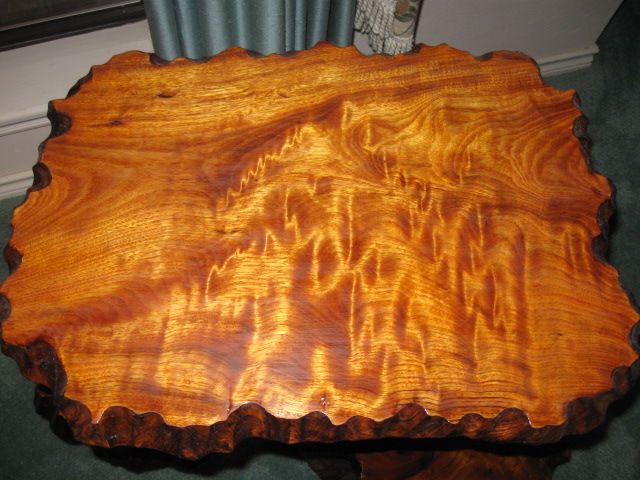
Facts about Tulip Wood
Most "Tulip" is a variety of Poplar, and it can have interesting traits. October 2, 2005
Question
What do you know about tulip wood? Is that just another name for poplar? I've got a guy that wants some poplar from me, and he also calls it tulip wood. He says the heartwood gets very black. I've never milled it.
Forum Responses
From contributor M:
Tulip poplar and yellow poplar are the same.
From contributor B:
But tulip poplar, aka white wood and yellow poplar, is different from cottonwood, which is also a poplar. Aspen is also a poplar, but different from both of the above. Confused enough yet?
From contributor D:
My wife has turned pens out of tulip wood, and this wood has some serious pink striping. You're telling me she's been turning yellow poplar?
From contributor K:
There is also a tulipwood in the rosewood family that may range from yellow into pink into purple with a very deep luster. It does not grow in America. I wish it did.
From contributor D:
Contributor K, that is indeed what I am most familiar with, regarding tulip wood. Thanks for the info.
From contributor E:
Sometimes, if tulip is dead on the stump, it will develop purple in the sapwood. The purple is beautiful, I think. The purple ring will start about 1 deep from the bark and be about 2 inches thick all the way around the log. If you saw just right, you will go from a creamy to indigo purple and back to creamy in a 10 inch wide board with all the rainbow in the middle.
From contributor T:
It's a shame that those rainbow colors brown out and fade, even with finish.