Flushing and Cleaning Spray Equipment
Finishers describe their maintenance cleaning routines. February 19, 2006
Question
I have been using the Kremlin for about 3 years now and have basically taught myself how to use and care for it. My boss says that I go through more thinner than the finisher before me. I am beginning to believe that I may be too thorough in the purging of the system. I wanted to get some opinions on Kremlin purging routines. It is has always been my practice to flush it with thinner, even when switching from chem vinyl sealer to chemcraft opticlear, for example. Is this overkill? Can I just purge the line and drop the pickup tube in the clear and not be concerned if a little chemvinyl is still in the lines when I am first shooting? Does anyone have a good way to clean the individual tips and air cap? I always drop them in clean thinner overnight, and they seem to just end up with sediment stuck down in them. It would be great if they made some sort of small container that kept the thinner flowing or agitated so it would not settle into the microscopic holes. Any advice is appreciated.
Forum Responses
(Finishing Forum)
From Paul Snyder, forum technical advisor:
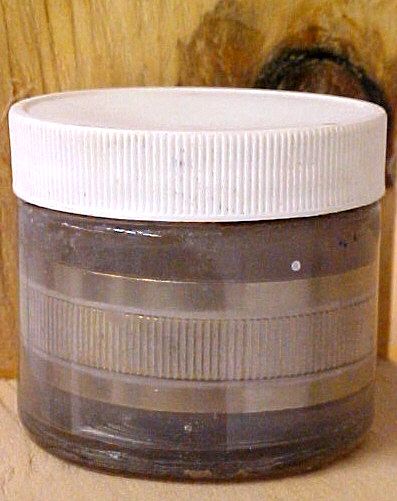
I have a bucket of dirty thinner, and a bucket of clean lacquer thinner that I use to flush the pump. I do flush when switching from vinyl to lacquer. The only time I don't flush is going from a clear lacquer to a pigmented lacquer. After pulling the pick-up tube out of the finish and removing the air-cap, I empty the pump back into the pail it came from. I turn the air down to slow the pump as it empties. Then I cycle some dirty thinner through the pump and empty it back into the bucket. Then I cycle some clean thinner through the pump. With the clean thinner in the line, re-attach the air cap and leave it a little loose. Then spray the thinner through it. That'll get it clean inside. Use a stiff bristle brush on the outside to clean it. Remove the air-cap, empty the pump back into the bucket, and switch to the new finish. This procedure takes about 2 minutes. I keep the air-cap in a small jar with acetone or lacquer thinner and replace the thinner whenever it starts to get dirty. It only holds a few ounces of finish, so there's not really a lot of waste.
From contributor A:
I must admit I also have a container of clean thinner and then I finally wash through with Acetone. When I have finished spraying, I run the dirty cheap thinners around for a little while till I am reasonably sure most of the product is out .Then I tape the gun trigger back with a bit of masking tape so its fully open, load up some fresh acetone and hang the gun into the container with the tip/aircap still in place and slightly submerged for this process, to avoid splashing about. Then I let it pump for a minute or so at full pressure so I know my tip is clean then. Next, I put the tip/aircap in a jar of clean acetone and then with the trigger still taped back I hang the gun again on the container but usually not submerged, and just let the pump run around at low pressure - just enough to get it to cycle. While it pumps away I enjoy a well deserved cup of tea and know it’s ready to fight another day. I also flush religiously between different materials as the time taken to have to rework a job is more expensive to me than a bit of thinner.
From contributor B:
Here’s a safety reminder about grounding while flushing with thinner to avoid a fireball. It happened to a customer of mine a few years back – it took down the house he was working in.
From contributor C:
After soaking tip overnight, blow the tip out with compressed air from the outside in to remove any sediment. Be careful not to lose the little gasket in the tip when blowing out.
From contributor D:
I made a cart for my Kremlin with room for my material bucket, and room for a thinner bucket on the back side. When I flush the line I first count my pumps (32 on mine) until the bulk of what’s in the line is pumped out. Then I just re-circulate in the thinner bucket. Doing it this way I find I use a $40, 5 gallon bucket of thinner about every 4 months = $10 per month = .30 a day. Nobody can complain about 30 cents a day maintenance on a $2400.00 piece of equipment.
From contributor E:
You don't want to spray anything with a loose air cap as this will put fluid back down into your air line.