Question
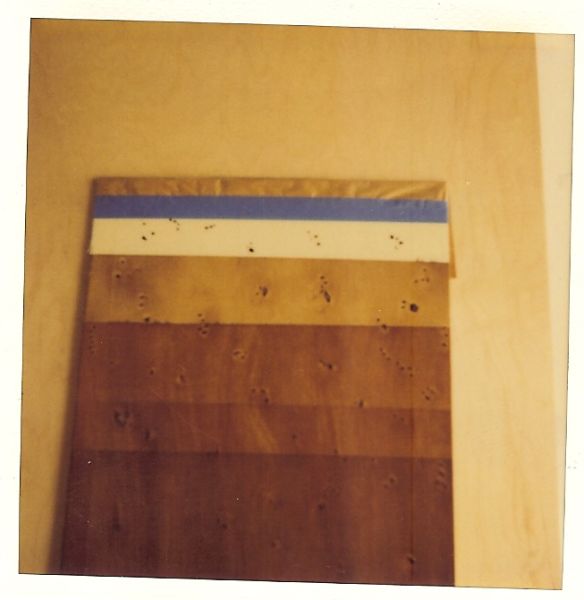
I am spraying Sherwin Williams pre-cat (T77) dull rub over their wiping stain on some pine trim and birch doors. I am fighting the humidity and heat in my shop and lately I'm noticing a finish turning white and cloudy in areas. Looks terrible. I am laying it down with an HVLP about 4 mils wet per coat. Thinning it about 10%. Any ideas what can cause this?
Forum Responses
(Finishing Forum)
From contributor R:
Moisture in the air causes the white haze you're seeing. Some call it blushing, and you can eliminate it by mixing in some retarder into your top coating. Another thing that can cause a whitish look once you have sprayed on a coating, is that your stain hasn't dried enough. When you spray on the coating too soon, the solvents in your stain start migrating through the coating. Try a bit of retarder - I've got a hunch that will cure your blushing issue.
Years ago some Harvard/MIT scientist type person spent a boat load of taxpayer money to prove that a "wet paint" sign is the most touched and most ignored sign.
A boss of mine came in the spray booth one afternoon after I had just coated a door and I was behind the workbench cleaning the spraygun. For reasons unknown, he touched the damn door, leaving a fingerprint... plain as day. He didn't see me since I was at the other end of the shop, but he looked all around, put his hands in his pockets, and then left the spray room. I asked the next day if anyone had touched the door and no one 'fessed up. I got a chuckle out of that and kept what I had seen under my hat.
But the retarder should work to remove the blush. Or you could buy the blush remover at four times the price, which will do the same thing and is just retarder anyway.
If retarder is likely my solution, what do you think about just shooting another coat on with no air moving across it? I usually put a fan on a few minutes after the pre-cat goes on and never had a problem until lately with the heat and humidity. At 4 mils wet with only 27% solids, I should still be under the DMT specs.
It might also be water in your air line. When things get hot and humid, it's pretty easy to get a lot of condensate in the air that we use to spray. This can equate to blushing issues as well. You might want to ensure that your air/water separator is empty and cracked open a little bit. You can also make a home made air dryer by looping the hose against a wall. At the bottom of each loop, put a drain cock. Open the drains once a day and drain the water off. The loops should look like the back of a fridge. If neither of those work, you might want to look at Lorchem's Unilac. It's pretty blush resistant and works in extremely humid areas like south Florida.