Fabric for Tambour Doors
You can use canvas, silk, or — old T-shirts? October 19, 2005
Question
What kind of fabric does one use for tambour doors and where does one get it?
Forum Responses
(Furniture Making Forum)
From contributor F:
Canvas. You should be able to find it at any fabric store.
From contributor V:
One should buy the heavy type canvas. To be really safe, wash and dry it before use to prevent shrinkage.
From contributor B:
Canvas is the material of choice. However, about 15 years ago, I made some approximately 11" wide x 14" long cherry tambour desktop organizer tops. These were small and light, so I was concerned canvas would be too stiff. I tore up some old T-shirts and used them instead. All 24 boxes are still in use without defect today.
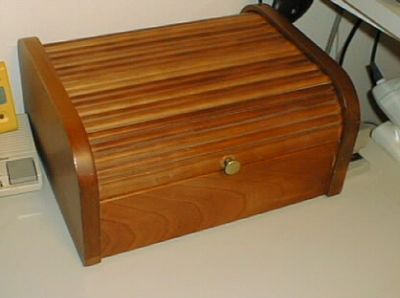
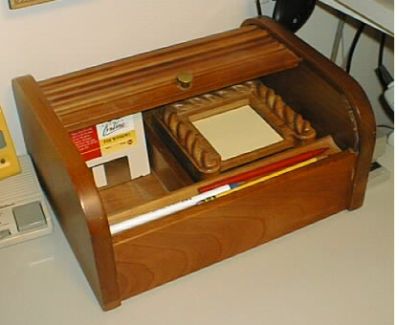 Photos and work by BH Davis
From contributor E:
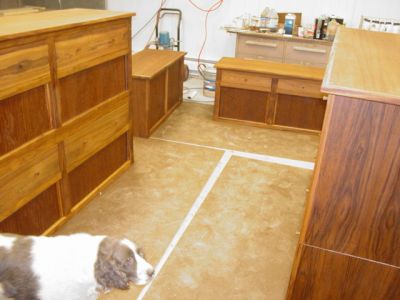
I used the fabric store heavy duck canvas for the tambour doors in these teak cabinets and it worked great.
From the original questioner:
Did you pre-wash the canvas or can you buy it washed already? What kind of glue did you use?
From contributor F:
I did not wash the canvas when I made a roll top desk about 12 years ago, and it is still working fine. Used yellow woodworking glue. The trick is speed and a good jig.
From contributor E:
I didn't wash it, either. I used 3M spray 90 adhesive in the cylinder to bond it.
From contributor H:
All the ones I've worked on have been repairs, rather than new. I've used sail cloth (like they make sails out of for boats) and it's worked very well for me. I used
Titebond and an occasional staple to hold it all together.
From contributor D:
On tambours that are 1/2 inch or wider, duck cloth is great. I suggest, for small tambours - 3/8 or less - a heavy silk cloth and hide glue. I make a lot of reproduction John and Thomas Seymor furniture with very small tambour slats.
