Osage Orange Uses
Osage Orange is prized for traditional bow-making and other valued uses. April 18, 2009
Question
I got my hands on five of the biggest osage oranges I've ever seen. The largest is 24" at the small end, the other four average 20", all are 12-14'. Very little shake or rot evident. Anyone have any advice for sawing/marketing? These are the first I've ever gotten my hands on and I'm not yet sure what to do with them. Any advice is appreciated.
Click here for higher quality, full size image
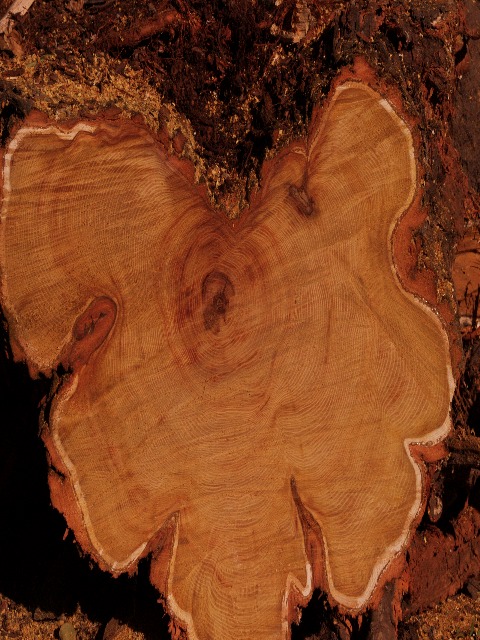
Butt end closeup - counted 118 rings.
Click here for higher quality, full size image
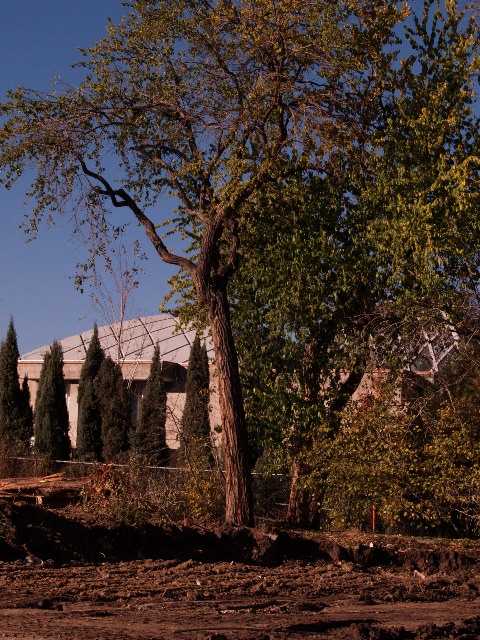
Photo of the big log.

Click here for higher quality, full size image
Forum Responses
(Sawing And Drying Forum)
From contributor H:
Osage orange is the creme-de-la-crème of woods for bow (archery) makers. Before you cut it to length check it further.
From contributor C:
I'm looking for some clear four side osage oragne for my wood bending operations. Let me know if you think you'll be able to saw clears from these logs.
From the original questioner:
Should be pretty clear. There's only one small pocket of heart rot in the smallest log. No evidence of ring shake or other defects. What kind of dimensions do you need and how much?
From contributor J:
I was able to get two small cutoffs of osage a couple of years ago and let them sit out until I milled it. I haven't checked with the moisture meter and don't know what the good moisture content is for working without fear of further dry and split.
From contributor C:
It is likely still quite wet if it was in the log all that time. Dry slowly down to below 30% (probably already done). Then bring it into the shop and dry it down to about 12% for outdoor use and 7% for indoor use. Monitor with a moisture meter - search on this site for recommendations. If it was 8/4 or less, it may already be at about 10 to 15% MC if stored outdoors. In that case, just keep it in a heated shop, building and it will equilibrate eventually to close to 7%, where you'll likely want it. If you milled it wet, you may need to mill it again once dry to take out cupping, crook, bow and other uneven shrinkage defects. Search this forum also for "Drying Hardwood Lumber".
From contributor J:
I finally checked the moisture content and it read above 30. What little pieces I've got intend to be turned on my lathe. Thus, if any shrinkage it shouldn't matter. It was a cutoff about 9" diameter and 2' length. The milled pieces are 3 at 6/4 and 1 at 8/4. I decided to sit them in with the mesquite my stepfather mills and dries. I do intend on reading more within this site on milling and drying it.
From contributor C:
Originally osage was well known for decay resistance and planted for fence posts. For me, I use it for bending and its color.