Slippery Plastic for Machinery
Ultra high molecular weight (UHMW) polyethylene can be used to make wood glide smoothly over wear surfaces. July 3, 2008
Question
Ultra High Molecular Weight Polyethylene is advertised as "Slick Strips that reduce friction to the point where almost everything moves like it's mounted on ball bearings! This special UHMW (Ultra High Molecular Weight) adhesive-backed flexible plastic film has a low coefficient of friction and a high abrasion resistance that surpasses even Teflon." It's made to be slippery for jigs, guards, tables, and anything that needs to slide.
I've wondered for a long while if this stuff was any good. I figured it had to be better than a homemade wood guard by itself. If anyone's used it I'd love some feedback.
Forum Responses
(Solid Wood Machining Forum)
From contributor D:
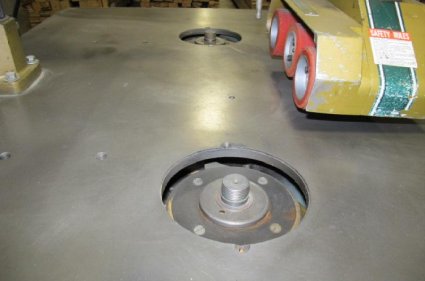
I don't know about the peel and stick stuff, but the solid material is what it is claimed to be. We use it for wear faces on jigs that slide on cast iron. Solid strips about 1" wide x 1/2" are fastened into the aluminum plate/jig base and keep things smooth and level. UHMW is available through McMaster-Carr, I believe.
Would you like to add information to this article? Interested in writing or submitting an article? Have a question about this article?
Have you reviewed the related Knowledge Base areas below? KnowledgeBase: Knowledge Base

KnowledgeBase: Solid Wood Machining

KnowledgeBase: Solid Wood Machining: Setup and Maintenance

Would you like to add information to this article? ...
Click Here
If you have a question regarding a Knowledge Base article, your best chance at uncovering an answer is to search the entire Knowledge Base for related articles or to post your question at the appropriate WOODWEB Forum. Before posting your message, be sure to review our Forum Guidelines.
Questions entered in the Knowledge Base Article comment form will not generate responses! A list of WOODWEB Forums can be found at WOODWEB's Site Map.
When you post your question at the Forum, be sure to include references to the Knowledge Base article that inspired your question. The more information you provide with your question, the better your chances are of receiving responses.
Return to beginning of article.
|
